

Deciding on a budget for your piano can be one of the hardest parts of the process. Especially if you haven’t shopped for a piano before (or haven’t in a long time), you might be surprised at the range of piano prices you’ll encounter. Some decisions – like whether you are considering a digital piano or an acoustic piano – can narrow the options a bit, but – in the end – understanding piano pricing can be key to making sure your musical investment is… a sound one. Here are some important considerations when determining how much you should pay for a piano:
Free Now – Pay Later.

This is a spinet piano. Spinet pianos are less than 40″ tall. They have no value and make poor lessons pianos. You can often find them free.
One question we often hear is “What is your cheapest piano?” …and – every time someone asks us this question – we surprise them with a single word: Free. That’s right! You can find “free” pianos everywhere. You can find them online, your friends might offer to give you an old piano they no longer want, or you can find a “free” piano at most area piano stores. The important thing to know about “free” pianos is that they aren’t really free. First of all, you’re going to have to have to move the piano to your house. That will cost a few hundred dollars to have it done safely and professionally (For your safety, your home’s safety and your piano’s safety, you really SHOULD have an experienced person to move your piano. Small uprights weigh about 500 to 600 pounds and big uprights can weigh up to 800 pounds. I’ve seen many pianos destroyed by inexperienced movers). Next, you’re going to pay a technician to tune it. That’s another $150 – plus any repairs needed (and “free” pianos almost always need work). So – if you’re keeping track – that “free” piano has cost you at least $450! …and that’s not counting any additional work it will require over time! So often, folks who set their sights this low end up with old, ugly, expensive-to-maintain clunker pianos. Who wants to spend a lifetime playing something like that?! My advice? Don’t hold out for that extremely rare case where someone gives away a nice piano because they don’t know what it’s worth. The general rule of piano shopping is: You get what you pay for. Buy nice… or buy twice.
How Much Do Used Pianos Cost?

Used pianos very greatly in price and quality. We recommend purchasing a used piano from a reputable piano dealer or with the assistance of a registered piano technician.
“Bargain” used pianos often range from $500 to $1500. These may be name-brand pianos in reasonable condition, but they are probably going to be 40 to 60 years old. (Most pianos are built to last 25-30 years. After they reach “end of life,” they will need significant repairs, replacement parts or a complete rebuild… and that can cost more than a new piano does!) Remember. A piano might look nice on the outside… but that’s like purchasing a car without knowing how well it runs. You should be more interested in the quality of the instrument’s interior. Otherwise, after moving, tuning, and minor repairs – that $500 piano may actually cost you $1000 or more once all is said and done.
Used pianos bought from a reputable piano store offer your best value in a used piano. They may be a little more expensive (between $2000 to $5000 depending on brand, age and condition), but they come with peace of mind that you just can’t get from buying someone’s old piano. Good piano stores care about their reputation (check out their Google reviews before you go!) and will make sure you get a good instrument and great after-the-sale service. When you buy a piano from a piano store, you know it has been professionally checked out, tuned several times, and warranted to play and sound about as good as a new piano! Some stores (like Riverton Piano Company) even offer a full-trade guarantee on used pianos! You definitely can’t get something like that from a home piano owner.
SO – you get what you pay for and it’s always better to spend a little more than you want than less than you should on something as important as a piano. If eventually getting a new piano is what you REALLY want then you’re going to be dealing with trading in the piano you have. So, keep in mind that a store is not going to really want that “free” piano (and might even charge you to haul it out of your house). Piano stores want used pianos that are less than 30 years old, look great, play great, and will be great instruments for many years to come.
How Much Do New Pianos Cost?

New pianos offer the very best value because they deliver the best performance for the longest period of time. If well maintained, some new pianos can last for generations.
Of course, a high quality new piano is what is going to give you the best level of performance for the longest period of time. This is why so many first-time buyers end up buying a new piano or digital piano rather than a used piano. New pianos usually start at around $4000 (for a small upright piano) and can go as high as you want (Yes. They even make custom pianos you can design yourself and have built for you… but those are some of the most expensive pianos in the world. Some can cost a million dollars or more!). …but – in general – most new piano shoppers spend between $4000 and $7000 on an upright, between $12,000 and $35,000 on a grand and between $1200 and $5000 on a digital piano.
So What Do Pianos Cost?
In short, the cost of a piano varies widely depending on condition with newer, better pianos costing more and older, less satisfying pianos at the low-end. A “free” used piano is never really free. They often come with hidden problems that will cost you greatly to correct. A “bargain” used piano is rarely a bargain. They, too, come with the “baggage” of someone else’s care regimen. You never really know what you are going to get. A used piano bought from a reputable piano store offers you great protection, but – if you really want the least expensive piano – you should get a new one. The cost of pianos goes up every year with the rising costs of lumber, metal and workmanship. …so you’re best bet is to purchase your dream piano now and let it’s equity grow – rather than purchase a temporary instrument and pay more for your final piano later. A new piano gives you a manufacturer’s warranty and very the best level of quality and performance. That could make the difference in your student’s motivation to play! Don’t risk it. Get a good instrument – or RENT something before you buy.
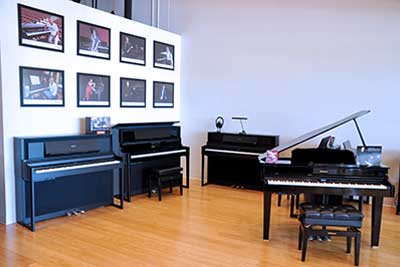
Digital pianos can be an affordable – and surprisingly satisfying – alternative to acoustic pianos. They are always in tune and require no maintenance.
One final note on buying your next piano: Get help. Ask your piano technician to take a look at any used piano you plan to purchase or select your instrument from a reputable piano dealer. Budget reasonably. You get what you pay for. Don’t go out looking for a “good grand piano” for under $5000. Yes, you can buy something that looks nice in that price range, but – in five years when that piano is thin and “tinny” sounding – you’ll be wishing you bought something that plays and sounds better. A well made baby grand piano in very good condition should start in the $10,000 range. If that isn’t right for your budget, get a good upright or digital piano and trade it up when the time is right!
The fact is – it costs you less in the long-run to spend more NOW than later. An older, “free” or cheap piano is going to cost you more in tuning and repairs than a new or late-model piano. …and you can’t put a price on your personal enjoyment. That’s why you want a piano in the first place, right? Buying a piano is an investment in YOU. …and you deserve to play an instrument that will delight and inspire you for years to come!
For more information on buying a piano, check out our Piano Basics blog, read our Digital Piano Basics blog, or ask us for a FREE copy of our piano buyer’s guide. There’s no obligation. We’re just happy to help you find an instrument that will encourage you and your family to play!


